
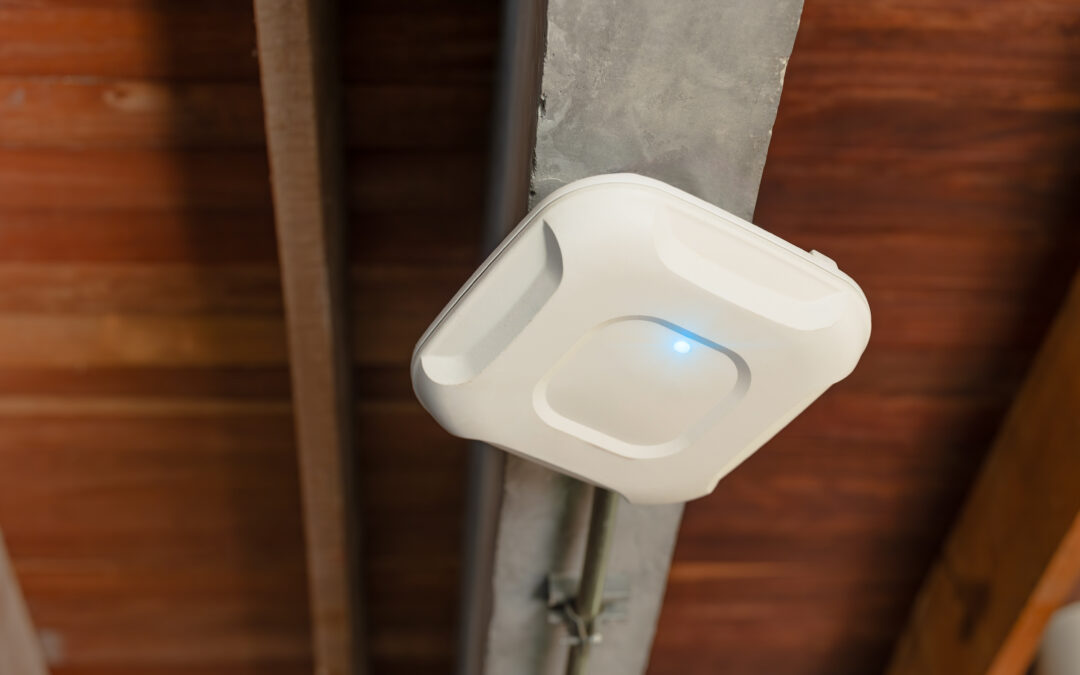
Many businesses assume slow or unreliable Wi-Fi is simply part of daily operations. Employees disconnect during meetings, warehouse scanners lose connection, or customers complain about weak guest Wi-Fi—and organizations often blame the internet provider. In reality, the issue is usually much deeper: poor wireless network design.
Across commercial environments nationwide, businesses are discovering that unreliable Wi-Fi affects far more than convenience. It impacts productivity, communication, security systems, and customer experience. At Progressive Cabling, we help organizations design wireless infrastructure that delivers strong, reliable coverage where it matters most.
Wi-Fi Problems Are Usually Infrastructure Problems
A common misconception is that buying stronger access points automatically fixes wireless issues. However, even the best hardware cannot overcome poor infrastructure design.
Weak wireless performance is often caused by:
- Improper access point placement
- Inadequate cabling infrastructure
- Signal interference from building materials
- Overloaded access points
- Lack of proper wireless planning
Without a strategic design, businesses end up with inconsistent coverage and frustrated users.
The Hidden Cost of Weak Wi-Fi
Poor Wi-Fi doesn’t just slow internet browsing—it affects core business operations.
Common business impacts include:
- Dropped video calls and meetings
- Slow access to cloud-based applications
- Delays in warehouse scanning systems
- Interrupted VoIP phone calls
- Frustrated employees and customers
- Reduced productivity across teams
Over time, these small interruptions add up to significant operational inefficiencies.
Why Access Point Placement Matters
Wireless access points (APs) should never be installed randomly. Every building has unique factors that affect signal strength, including:
- Concrete and metal walls
- Ceiling height
- Warehouse shelving and inventory
- Device density
- Interference from electronics or machinery
Professional wireless design ensures APs are placed strategically for maximum coverage and performance.
Strong Wi-Fi Starts with Structured Cabling
Wireless networks still depend heavily on wired infrastructure. Every access point requires reliable data cabling and sufficient bandwidth to perform correctly.
A professionally designed network includes:
- Cat6 or Cat6A cabling to each AP
- Proper Power over Ethernet (PoE) support
- Organized network closets and switch capacity
- Fiber backbones for larger facilities
Without strong cabling, Wi-Fi performance suffers no matter how advanced the access points are.
Supporting High-Density Device Environments
Modern workplaces contain more connected devices than ever before, including:
- Laptops and mobile devices
- Wireless printers
- VoIP phones
- Security cameras
- Smart building systems
- IoT devices and sensors
Poor wireless design can overload access points, causing congestion and unstable connections.
A properly designed system distributes devices efficiently across the network for better performance.
Wi-Fi Reliability Is Critical for Security Systems
Many modern security systems rely on wireless connectivity, including:
- Wireless cameras
- Mobile access control systems
- Smart alarms and monitoring devices
Unstable Wi-Fi can cause delayed notifications, dropped camera feeds, or unreliable access control communication.
Reliable infrastructure ensures security systems remain operational when needed most.
Warehouse and Large Facility Challenges
Warehouses and industrial facilities present unique wireless challenges due to:
- Long distances
- Metal racking systems
- Large open spaces
- Constant movement of inventory and equipment
Professional wireless planning ensures reliable connectivity across every aisle, loading dock, and operational zone.
Planning for Future Growth
Businesses rarely stay the same size forever. Wireless infrastructure should be designed with scalability in mind.
Future-ready planning includes:
- Additional AP capacity
- Fiber backbone support
- Expandable switch infrastructure
- Spare cabling pathways
This allows businesses to grow without redesigning the entire network.
The Importance of Wireless Site Surveys
One of the best ways to improve Wi-Fi performance is through a professional wireless site survey. This process evaluates:
- Building layout and materials
- Coverage gaps and dead zones
- Signal interference
- Device density and usage patterns
Using this data, businesses can optimize AP placement and improve overall network reliability.
Industries That Depend on Reliable Wi-Fi
Strong wireless connectivity is essential for:
- Corporate offices
- Warehouses and logistics centers
- Healthcare facilities
- Educational campuses
- Retail and hospitality businesses
- Multi-tenant commercial buildings
In these environments, unreliable Wi-Fi directly impacts operations and customer experience.
Why Businesses Choose Progressive Cabling
Progressive Cabling provides professional wireless infrastructure and structured cabling solutions nationwide. Businesses choose us because we deliver:
- Strategic wireless network design
- Cat6, Cat6A, and fiber installations
- PoE-ready infrastructure for access points
- Clean, organized, and code-compliant installations
- Scalable solutions built for future growth
We help businesses build wireless networks that actually perform.
Stop Letting Poor Wi-Fi Slow Down Your Business
Weak Wi-Fi is more than an inconvenience—it’s a business problem. With the right infrastructure, planning, and professional installation, your wireless network can support productivity, security, and long-term growth.
If your business struggles with unreliable wireless performance, now is the time to improve your infrastructure.
Contact Progressive Cabling today to learn how professional wireless network design can strengthen connectivity and improve operations across your facility.