
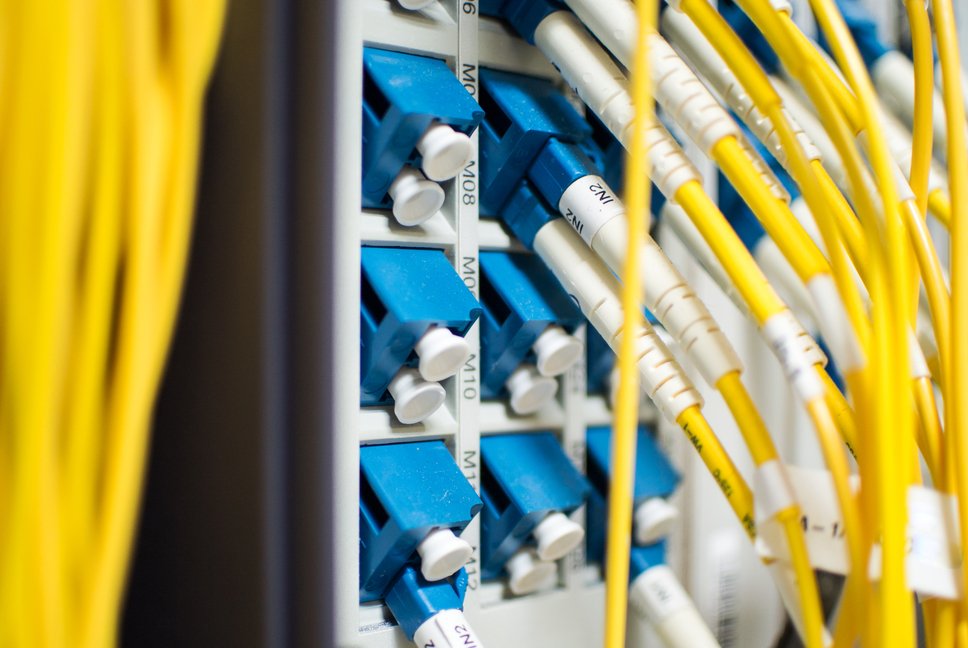
When planning a new commercial building, most businesses focus on office layouts, electrical systems, HVAC design, and construction timelines. However, one of the most important decisions for long-term success often happens behind the walls: preparing the building for fiber connectivity.
As cloud computing, AI applications, video conferencing, security systems, and smart building technology continue to expand, fiber infrastructure is becoming a necessity rather than a luxury. Businesses that plan for fiber during construction avoid costly retrofits and position themselves for future growth.
At Progressive Cabling, we help organizations design and install fiber-ready infrastructure that supports high-performance connectivity from day one.
Why Fiber Readiness Matters
Many companies wait until after construction is complete to think about network infrastructure. Unfortunately, adding fiber pathways later can be expensive and disruptive.
Planning for fiber during construction allows businesses to:
- Reduce future installation costs
- Avoid construction-related delays later
- Improve building value
- Support future technology upgrades
- Prepare for higher bandwidth demands
A fiber-ready facility is better equipped for today’s digital business environment.
Modern Businesses Depend on High-Speed Connectivity
Commercial operations now rely on technology more than ever before.
Common bandwidth-intensive applications include:
- Cloud-based software platforms
- Video conferencing systems
- Security camera networks
- Access control systems
- AI-powered analytics
- Data backup and disaster recovery services
As these systems continue to grow, fiber provides the speed and capacity businesses need to remain productive.
Fiber Supports Long-Term Scalability
One of the biggest advantages of fiber optic infrastructure is its ability to scale.
Unlike traditional copper cabling, fiber can support:
- Increasing internet speeds
- Growing device counts
- Future networking standards
- Expanding business operations
Businesses that install fiber pathways during construction are far less likely to face infrastructure limitations in the future.
Supporting Smart Building Technology
Smart commercial buildings rely on connected devices and automated systems to improve efficiency and reduce operating costs.
Common smart building technologies include:
- Intelligent HVAC controls
- Energy management systems
- Occupancy sensors
- Automated lighting controls
- Security monitoring platforms
These systems generate large amounts of data that benefit from a high-capacity fiber backbone.
Better Support for Security Infrastructure
Modern security systems require reliable network connectivity.
Fiber infrastructure supports:
- High-resolution surveillance cameras
- Centralized video storage
- Access control platforms
- Remote monitoring systems
- Multi-building security integration
As camera resolutions and analytics capabilities continue to increase, fiber becomes increasingly important.
Multi-Tenant Buildings Benefit from Fiber Planning
Commercial property owners are increasingly marketing fiber readiness as a competitive advantage.
Fiber-ready buildings can:
- Attract higher-quality tenants
- Support multiple service providers
- Accommodate diverse business needs
- Improve lease appeal
Tenants increasingly expect fast, reliable connectivity when evaluating office space.
Future-Proofing Warehouse and Industrial Facilities
Warehouses and industrial facilities are adopting more connected technologies than ever before.
These include:
- Inventory tracking systems
- Wireless scanning devices
- Robotics and automation
- IoT sensors
- Real-time analytics platforms
Fiber infrastructure helps ensure these facilities can continue adopting new technologies without major network upgrades.
Reducing Future Construction Costs
Installing conduit pathways, fiber entrances, and backbone infrastructure during construction is significantly more cost-effective than retrofitting later.
Benefits include:
- Lower labor costs
- Easier installation access
- Reduced disruption to occupants
- Faster deployment of future services
Planning ahead almost always costs less than upgrading later.
Fiber Works Best with Structured Cabling
While fiber serves as the high-speed backbone, structured cabling remains essential throughout the building.
A complete infrastructure strategy typically includes:
- Fiber optic backbone connections
- Cat6 or Cat6A horizontal cabling
- Wireless access point connectivity
- Security camera infrastructure
- Access control cabling
Together, these systems create a reliable and scalable technology foundation.
Industries Investing in Fiber-Ready Facilities
Fiber readiness is becoming a priority across numerous industries, including:
- Corporate office buildings
- Warehouses and distribution centers
- Healthcare facilities
- Educational campuses
- Manufacturing plants
- Multi-tenant commercial properties
Any organization planning for long-term growth benefits from fiber infrastructure.
Why Businesses Choose Progressive Cabling
Progressive Cabling provides nationwide structured cabling and fiber optic installation services, including:
- Fiber backbone design and installation
- New construction low-voltage infrastructure
- Cat6 and Cat6A cabling
- Security camera and access control cabling
- Wireless network infrastructure
- Network closet design and organization
We help businesses build technology foundations that support growth for years to come.
Build for Tomorrow, Not Just Today
Technology demands will continue to increase, and businesses that plan ahead will be in the best position to succeed. Incorporating fiber readiness into new construction projects creates a scalable, future-proof infrastructure that supports connectivity, security, and business growth.
If you’re planning a new commercial building, office, warehouse, or expansion project, now is the time to think about fiber.
Contact Progressive Cabling today to learn how fiber-ready infrastructure can help future-proof your facility and support your long-term technology goals.