
As commercial buildings become more advanced, the demand for integrated technology continues to rise. From security and connectivity to automation and efficiency, today’s facilities rely heavily on low-voltage systems to operate effectively. What was once considered “optional” infrastructure is now essential for daily business operations.
Across industries nationwide, businesses are investing in professional low-voltage solutions to support smarter, safer, and more efficient environments. At Progressive Cabling, we design and install low-voltage systems that bring everything together into one reliable, scalable network.
What Are Low-Voltage Systems?
Low-voltage systems refer to technologies that operate on lower electrical voltage and support communication, control, and monitoring functions within a building.
These systems typically include:
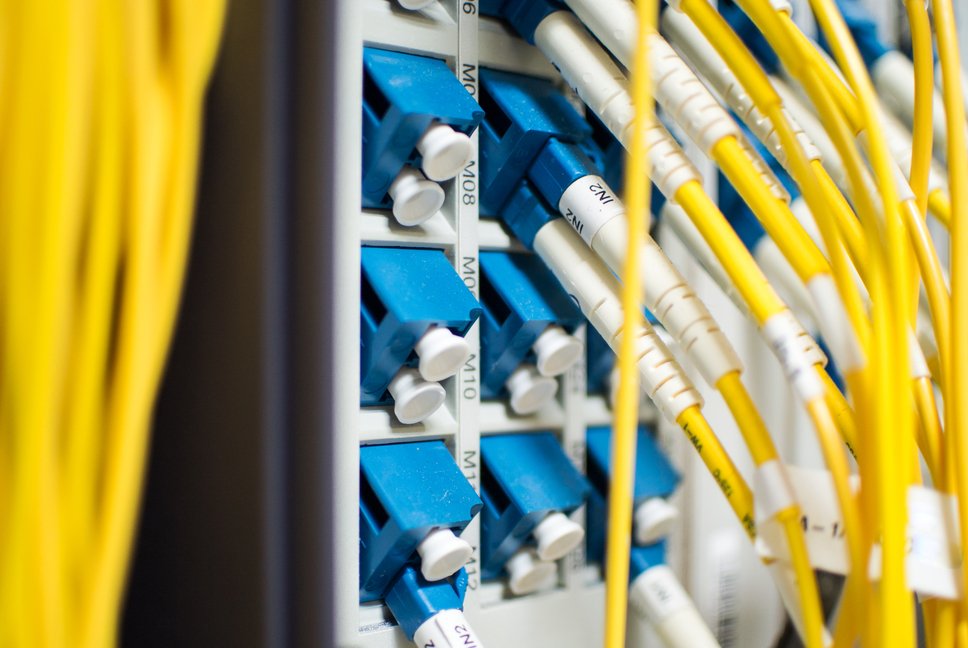
- Structured network cabling (Cat6, Cat6A, fiber)
- Security camera systems
- Door access control (card readers, keypads)
- Wireless access points
- Intercom and paging systems
- Alarm and monitoring systems
- Smart building and IoT devices
While each system serves a different purpose, they all rely on a shared infrastructure.
Why Low-Voltage Systems Are Becoming Essential
Modern businesses depend on real-time communication and automation. Low-voltage systems support this by enabling seamless connectivity between devices, systems, and users.
Key drivers behind increased demand include:
- Growth of cloud-based applications
- Expansion of security and surveillance systems
- Increased reliance on wireless connectivity
- Adoption of smart building technology
- Need for centralized control and monitoring
Without proper low-voltage infrastructure, these systems cannot perform reliably.
Centralizing Technology for Better Efficiency
One of the biggest advantages of low-voltage systems is integration. Instead of operating separate systems independently, businesses can centralize them through a unified network.
This allows for:
- Easier management of multiple systems
- Reduced infrastructure redundancy
- Improved communication between devices
- Faster troubleshooting and maintenance
For example, access control systems can integrate with cameras, allowing businesses to verify entry events in real time.
Supporting Smart Building Technology
Smart buildings rely heavily on low-voltage systems to automate and optimize operations. These systems can control:
- Lighting and energy usage
- Temperature and HVAC systems
- Occupancy monitoring
- Security and access control
- Environmental conditions
A strong low-voltage infrastructure ensures these systems work together efficiently, improving both comfort and cost savings.
Improving Security and Visibility
Security is a top priority for any business, and low-voltage systems play a major role in protecting people and assets.
Integrated systems provide:
- Real-time surveillance through cameras
- Controlled access to restricted areas
- Alerts for unauthorized activity
- Centralized monitoring and reporting
When properly installed, these systems create a comprehensive security environment.
Scalability for Growing Businesses
As businesses grow, their technology needs evolve. Low-voltage systems are designed to scale, allowing organizations to add new devices and systems without starting from scratch.
Scalable infrastructure includes:
- Additional data drops for future devices
- Expandable network closets
- Fiber backbones for increased bandwidth
- PoE-ready cabling for new equipment
Planning for growth ensures long-term flexibility and cost savings.
Reducing Costs Through Efficient Design
While low-voltage systems require an upfront investment, they often reduce long-term costs by:
- Minimizing maintenance and troubleshooting
- Reducing energy consumption through automation
- Eliminating redundant infrastructure
- Simplifying system upgrades
A well-designed system improves both operational efficiency and return on investment.
Industries Leading the Shift to Low-Voltage Systems
Low-voltage infrastructure is critical across many industries, including:
- Corporate offices
- Warehouses and logistics facilities
- Healthcare and medical centers
- Educational institutions
- Retail and hospitality environments
- Multi-tenant commercial buildings
In each of these environments, connectivity and control are essential.
Why Businesses Choose Progressive Cabling
Progressive Cabling provides low-voltage infrastructure solutions nationwide. Businesses trust us because we deliver:
- Structured cabling and fiber installations
- Security camera and access control systems
- Clean, organized, and code-compliant work
- PoE-ready infrastructure for modern devices
- Scalable designs built for future growth
We build systems that support performance, security, and efficiency.
Build Smarter Infrastructure for Your Business
Low-voltage systems are no longer optional—they are the backbone of modern commercial buildings. Investing in the right infrastructure ensures your business stays connected, secure, and ready for the future.
If your organization is planning upgrades, expansion, or new construction, now is the time to focus on low-voltage infrastructure.
Contact Progressive Cabling today to learn how professional low-voltage systems can transform your building and support long-term success.