
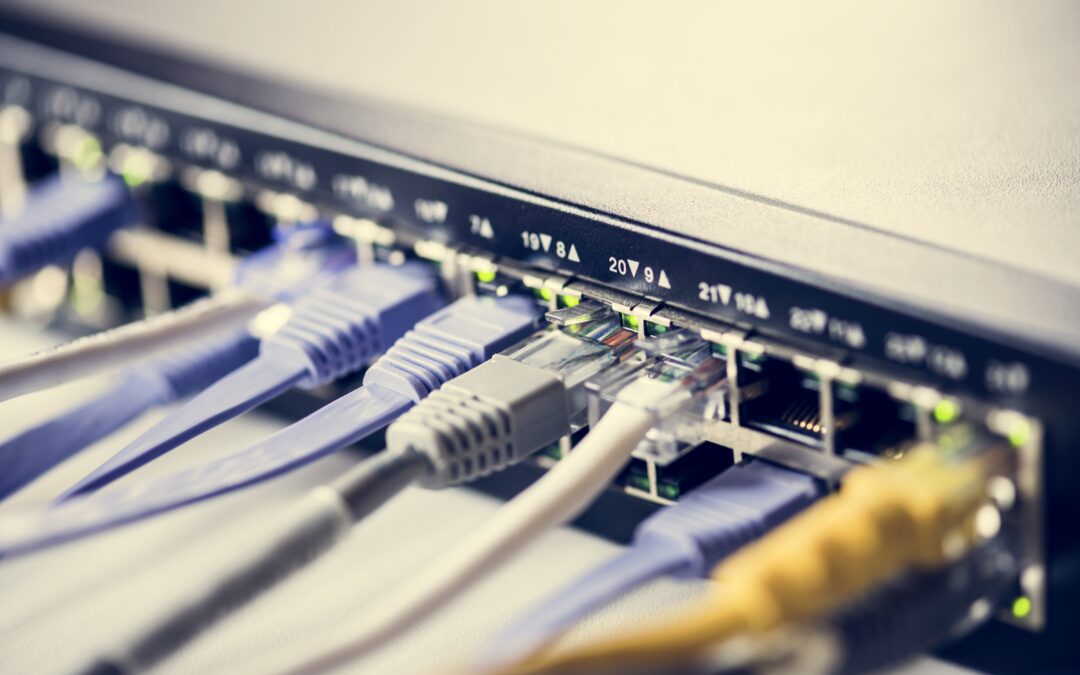
Moving a business into a new office, warehouse, or commercial facility involves much more than transporting desks and computers. Before employees can begin working, the new location needs reliable connectivity for workstations, phones, wireless access points, security cameras, access control systems, and other technology.
That is why commercial network cabling should be planned early during an office relocation.
Instead of moving into a building and discovering missing data drops, poor Wi-Fi coverage, or outdated cabling, businesses can have their infrastructure installed, tested, and organized before employees arrive.
At Progressive Cabling, we help businesses nationwide prepare new locations with professional structured cabling, fiber optic infrastructure, security cabling, and other low-voltage solutions.
Start with an Infrastructure Assessment
Before installing new cabling, it is important to understand what already exists in the building.
A commercial space may contain older Cat5e cabling, abandoned wiring from previous tenants, improperly labeled connections, or network closets that need significant cleanup.
An infrastructure assessment can help identify:
- Existing Cat5e, Cat6, and fiber cabling
- Available data drops
- Network closet conditions
- Existing cable pathways
- Abandoned or unused cabling
- Locations requiring new network connections
Once the existing infrastructure is understood, a cabling plan can be developed around the needs of the new business.
Install Data Drops Before Employees Move In
One of the easiest ways to reduce relocation headaches is to install workstation data drops before desks and furniture arrive.
Data cabling may be needed for:
- Employee workstations
- VoIP phones
- Printers
- Conference rooms
- Reception areas
- Copiers
- Network equipment
- Specialized business devices
Installing these connections while the space is empty usually provides easier access to walls, ceilings, and cable pathways.
It also allows businesses to test their network before opening the new location.
Plan Wireless Access Point Cabling Early
Business Wi-Fi should also be considered before the move.
Wireless access points still require wired network connections, typically using Cat6 or Cat6A cabling with Power over Ethernet.
Professional planning can determine where access points should be located based on the size and layout of the facility.
This is especially important in large offices, warehouses, manufacturing facilities, and other environments where walls, equipment, or metal shelving can affect wireless signals.
Installing AP cabling before occupancy helps create better wireless coverage from the first day of operations.
Consider a Fiber Backbone for Larger Facilities
Large commercial buildings may require multiple network closets to keep copper cable runs within appropriate distances.
Fiber optic cabling can connect these network closets while providing high-speed backbone connectivity throughout the facility.
Fiber is particularly useful for:
- Large warehouses
- Multi-story offices
- Manufacturing facilities
- Corporate campuses
- Multiple-building properties
Installing fiber during a relocation can also prepare the facility for future bandwidth requirements.
Don’t Forget Security Camera Cabling
A new location may require an entirely different surveillance layout than the previous facility.
Businesses should evaluate areas such as:
- Main entrances
- Emergency exits
- Parking areas
- Loading docks
- Warehouses
- Inventory rooms
- Hallways
- Reception areas
Modern IP cameras commonly use PoE network cabling, making security camera infrastructure an important part of the overall low-voltage plan.
Planning camera runs before occupancy can also produce cleaner installations and reduce disruption later.
Add Access Control to Important Entry Points
Relocating is also a good opportunity to upgrade physical security.
Commercial access control systems can provide controlled entry through:
- Card readers
- Key fobs
- Keypads
- Electronic locks
- Mobile credentials
Businesses can install access control on exterior entrances, employee-only areas, network rooms, inventory areas, and other restricted locations.
Running the required low-voltage cabling during the relocation process helps integrate access control into the facility from the beginning.
Remove Abandoned Cabling from Previous Tenants
Commercial spaces frequently contain cabling left behind by previous occupants.
Unused network, telephone, camera, fiber, and access control cabling can create unnecessary congestion above ceilings and inside network closets.
Professional cabling demolition can remove obsolete infrastructure before new systems are installed.
Benefits can include:
- Cleaner cable pathways
- Easier identification of active cabling
- More room for new infrastructure
- Better network closet organization
- Easier future maintenance
Starting with clean pathways makes the new installation easier to manage.
Build an Organized Network Closet
The network closet should be treated as an important part of the relocation—not a storage room for miscellaneous equipment.
A professional network closet installation can include:
- Equipment racks
- Patch panels
- Fiber enclosures
- Cable management
- Clearly labeled connections
- Organized patch cords
Clean network closets make troubleshooting, upgrades, and future expansion significantly easier.
Test Cabling Before Opening Day
One of the biggest advantages of completing cabling early is the ability to test connections before employees arrive.
New cable runs should be checked to verify proper termination and performance.
Testing can identify problems before they turn into opening-day disruptions.
Instead of discovering that a conference room jack, camera connection, or employee workstation isn’t working after the move, problems can be corrected while the installation team is still onsite.
Plan for More Connections Than You Need Today
A commercial relocation is also an opportunity to think about future growth.
Businesses may eventually add:
- More employees
- Additional cameras
- New access points
- Additional access-controlled doors
- IoT devices
- Automation equipment
- New conference room technology
Adding capacity during the original installation can be easier and more cost-effective than returning later to install additional infrastructure.
Commercial Cabling Services from Progressive Cabling
Progressive Cabling helps businesses prepare commercial locations with professional low-voltage infrastructure.
Our services include:
- Cat6 data cabling
- Cat6A cabling
- Fiber optic installation
- Wireless access point cabling
- Security camera cabling
- Door access control systems
- Card readers and keypads
- Network racks and patch panels
- Cable testing and certification
- Cabling demolition and abandoned cable removal
We support commercial projects ranging from individual offices to warehouses, multi-location businesses, and larger facilities.
Make Network Cabling Part of Your Relocation Plan
A successful office relocation depends on having technology ready when employees arrive. Waiting until after move-in to address network infrastructure can result in unnecessary downtime, additional labor, and disruptive installation work.
By planning structured cabling, fiber, Wi-Fi infrastructure, cameras, and access control early, businesses can move into a facility that is ready to operate from day one.
If your company is relocating, expanding, or opening a new commercial location, contact Progressive Cabling for a quote on professional network cabling and low-voltage installation services. We can help build an organized, scalable infrastructure designed to support your business now and as it grows.